

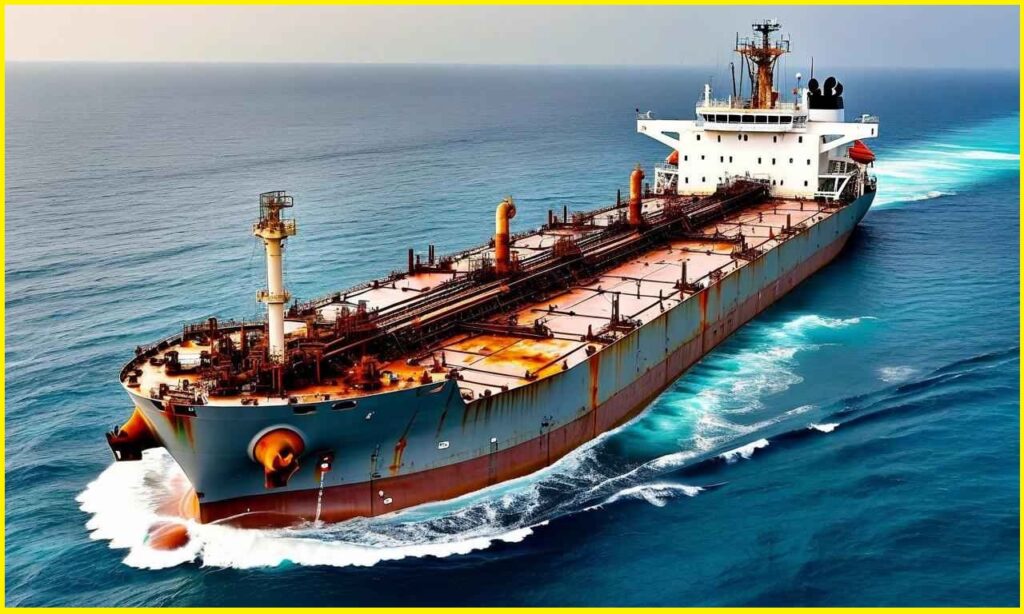
essel, identified as the Panama-flagged M/T Sophia, was intercepted by the U.S. Coast Guard and military forces on January 7 while it was carrying crude oil. At the time, Washington described the ship as part of a “stateless, sanctioned dark fleet,” subject to U.S. sanctions targeting illicit oil transport networks.
Instead of retaining or disposing of the tanker under U.S. control, American officials confirmed that the ship has now been handed back to Venezuelan authorities. The reasons behind the return were not immediately disclosed by either U.S. or Venezuelan officials, leaving analysts to speculate about the broader implications for bilateral relations and sanctions enforcement.
This development represents an unusual reversal of policy by the current U.S. administration, which had been actively seizing vessels suspected of violating sanctions linked to Venezuela’s oil industry. The campaign — part of a wider strategy to curb what Washington sees as illicit crude exports and to reshape Venezuela’s energy landscape — has included the interdiction of multiple tankers over recent weeks.
While the U.S. has not clarified whether the oil remained on board the Sophia at the time of the return, the move comes amid broader discussions between the two nations, following heightened tensions and strategic maneuvering in recent months. Venezuelan officials have yet to issue a detailed public response to the handover.
Observers see this handback as potentially signalling a recalibration in U.S.–Venezuela engagement — possibly aimed at easing sanctions, de-escalating confrontations at sea, or resetting negotiations around energy exports and diplomatic ties. For now, the global oil market and foreign policy watchers will be closely monitoring what this gesture means for future enforcement actions and bilateral cooperation.
