

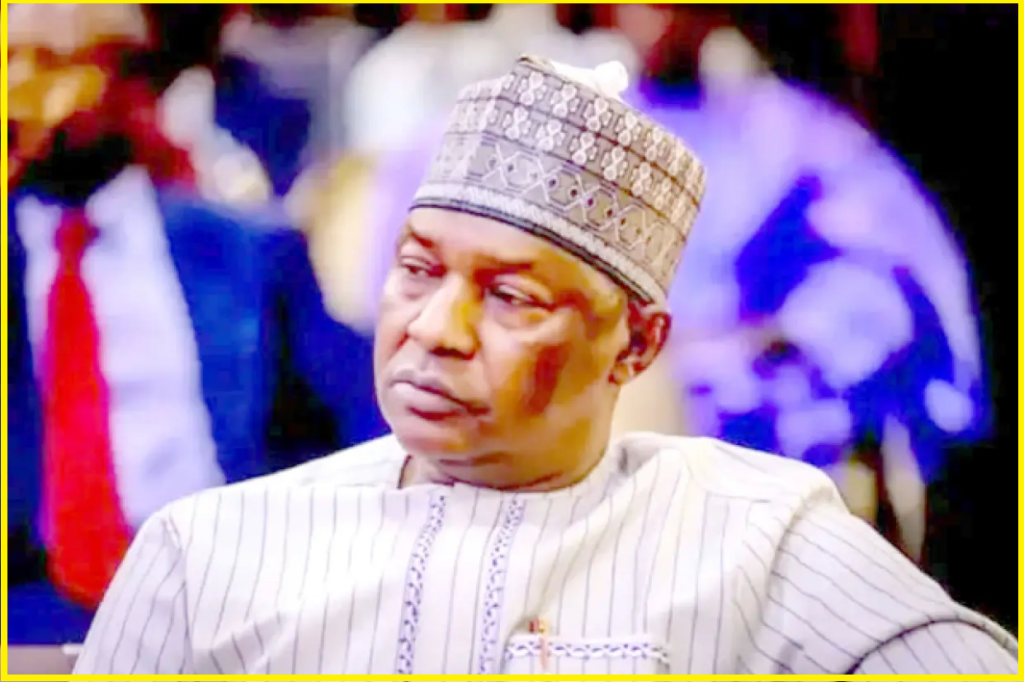
Former Attorney-General of the Federation and Minister of Justice, Abubakar Malami (SAN), has told a court how he earned and received huge sums of money during his years in public service, breaking down figures that include ₦958 million received as gifts and ₦374 million earned as salaries and allowances.
Malami made these disclosures while responding to allegations bordering on corruption and illicit enrichment, insisting that the funds in question were legitimate, lawful, and properly accounted for.
According to court proceedings, the former justice minister explained that the monies tagged as “gifts” were voluntary contributions from friends and associates, given to him at different times, particularly during significant personal and professional milestones. He maintained that none of the gifts were connected to the abuse of his office or awarded in exchange for favours.
On the issue of his earnings from government, Malami told the court that the ₦374 million referenced by investigators represented his official salaries, allowances, and entitlements accrued over several years of service as Attorney-General of the Federation. He argued that the figures were consistent with what a public officer of his rank was entitled to receive under the law.
The former AGF further stated that his financial records were transparent, stressing that all income streams were traceable through bank transactions and declarations made to relevant authorities. He rejected claims suggesting that the funds were proceeds of corruption, describing such allegations as misleading and politically motivated.
Malami’s testimony forms part of an ongoing legal battle that has attracted national attention, as Nigerians closely follow developments surrounding accountability and transparency among past and present public office holders. The case has once again reignited conversations around wealth declaration, gifts to public officials, and ethical boundaries in governance.
Legal observers say the court’s eventual decision could set an important precedent on how gifts received by public officers are interpreted under Nigerian law, especially when such gifts run into hundreds of millions of naira.
As proceedings continue, all eyes remain on the courtroom, with many Nigerians eager to see whether Malami’s explanations will stand the test of legal scrutiny or whether prosecutors will successfully challenge the source and propriety of the funds.
