

A significant moment for youth participation and gender inclusion in Nigerian politics has emerged as Rukayat Shittu secured victory in the All Progressives Congress (APC) primary election for the Owode/Onire State Constituency seat in the Kwara State House of Assembly.
Shittu emerged victorious after defeating her only cleared challenger, Sulyman Ayegun, in a closely watched contest that has generated conversations within political circles and among grassroots supporters.
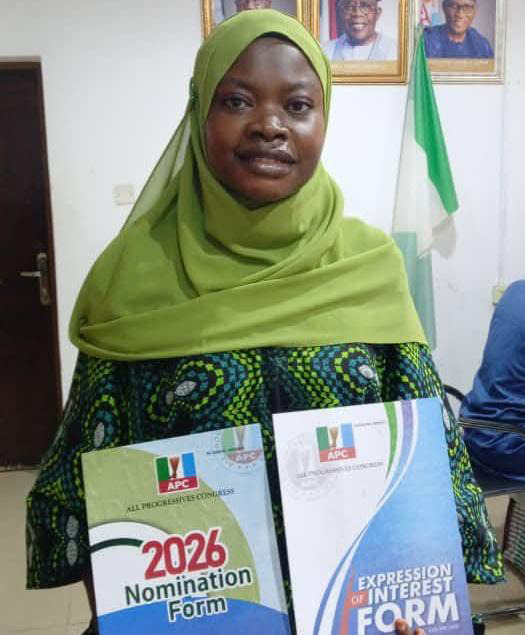
Her victory carries broader significance beyond party politics. It represents another strong statement that young people and women are increasingly taking their place in leadership and decision-making spaces. In a political environment where age and gender barriers have often limited opportunities, her emergence highlights a gradual shift toward more inclusive representation.
The Owode/Onire constituency has historically operated under a political arrangement that rotated leadership between the Owode and Onire axes, a pattern that traditionally made second-term opportunities difficult for lawmakers. Shittu’s success in securing the party ticket for another electoral cycle signals confidence in her leadership and performance among party members and supporters.
Since gaining national attention as Nigeria’s youngest elected lawmaker, she has become a symbol of the possibilities that can emerge when young people are given opportunities to lead. Her journey continues to inspire conversations about creating more space for women and youth to participate actively in governance.
If re-elected in the forthcoming general election, Shittu would become the first lawmaker in the constituency’s history to secure a second term, breaking a long-standing political tradition.
For many observers, the development is more than an electoral story. It reflects growing recognition that governance benefits from diversity, fresh perspectives, and the inclusion of voices that have historically been underrepresented.
As political activities intensify ahead of the general election, many eyes will be on the Owode/Onire constituency. Beyond the competition itself, the moment stands as a reminder that empowering women and young leaders strengthens democratic participation and opens doors for future generations.