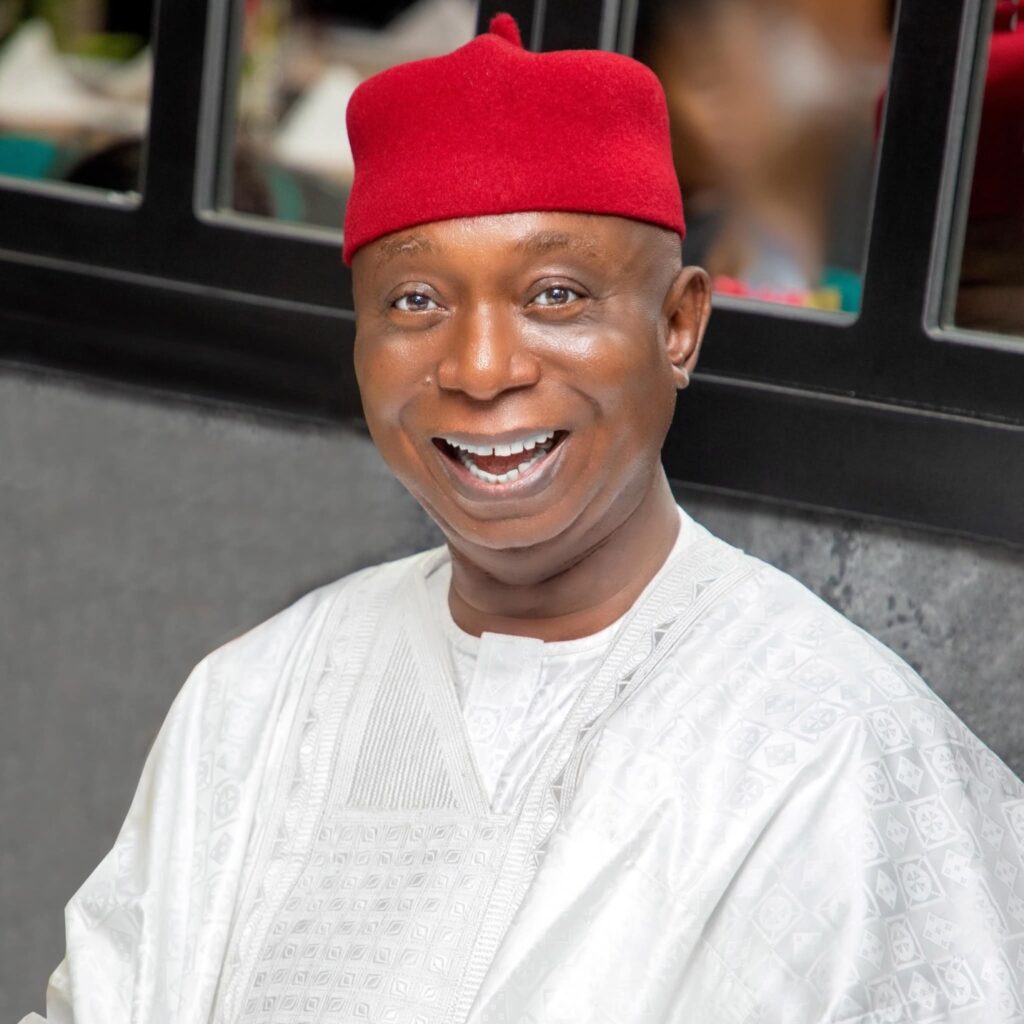

Ned Nwoko has spoken publicly about his experience during the recent primaries of the All Progressives Congress (APC), raising concerns over internal discussions, party expectations, and the process that led to the conduct of the exercise.
During an interview on Prime Time, the senator shared details of events leading up to his participation in the party process, alleging that certain understandings were communicated to some individuals who joined the party regarding leadership inclusion and participation in government structures.
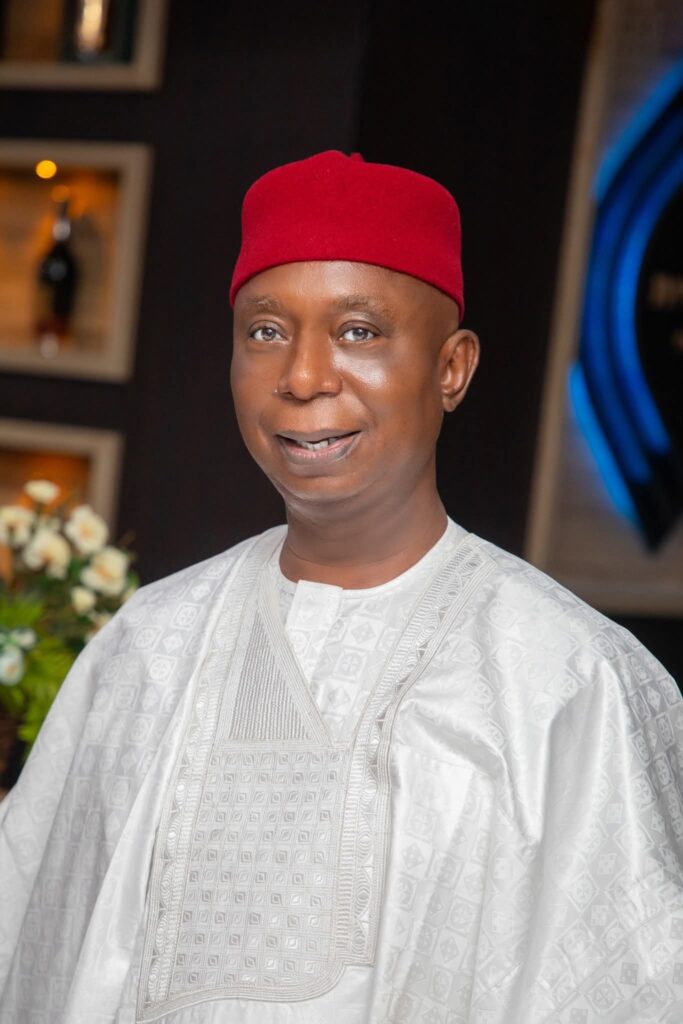
According to him, there had been expectations that the party would engage in discussions aimed at restructuring and reorganising its internal framework to create broader opportunities for participation.
Nwoko explained that there were indications that adjustments to the state executive structure would create room for nominations and encourage wider involvement in government activities. However, he claimed that those expectations did not eventually materialise.
Reflecting on the process, the senator stated that discussions had suggested possible power-sharing considerations and internal arrangements designed to strengthen unity among members entering the party structure.
He also disclosed that prior to joining the APC, he had allegedly been given assurances of an automatic ticket, but later discovered that he would be participating in the conventional primary election process.
According to him, such assurances played a role in his decision to make the political move, noting that politicians often seek certainty before making significant decisions regarding party affiliation.
Speaking on the outcome of the primaries, Nwoko expressed confidence in his position, insisting that records available to his camp supported his claims of strong performance during the exercise.
He maintained that his team recorded victories across 98 wards and argued that the concerns raised regarding the process were tied to issues affecting only one ward.
His comments have continued to generate reactions within political circles, especially as conversations around internal party democracy, political agreements, and primary election procedures remain important topics ahead of future political contests.
As discussions continue, political observers are expected to closely monitor developments and any further responses from relevant stakeholders.