

The international price of crude oil has fallen significantly following the easing of tensions in the Middle East. Yet, across Nigeria, millions of motorists continue to pay between ₦1,200 and ₦1,400 per litre for Premium Motor Spirit (PMS), raising fresh concerns over the country’s fuel pricing system.
For many Nigerians, this has become a familiar pattern—prices rise almost immediately whenever crude oil becomes more expensive, but rarely come down when global prices fall.
During the peak of the conflict involving Iran, Israel and the United States, fears over possible disruption to global oil supply through the Strait of Hormuz pushed international crude prices sharply higher. Those fears translated into higher fuel prices across Nigeria.
However, with tensions easing, Brent Crude has dropped from its war-induced highs to around $73 per barrel, while the American benchmark, WTI, has also fallen below $70 before making a slight recovery.
Despite this decline, motorists are yet to enjoy any meaningful relief at filling stations.
Dangote Refinery Reduces Price
In a move expected to ease the burden on consumers, Dangote Refinery reduced its gantry price by ₦50, bringing it down to ₦1,125 per litre.
Imported petrol has also become slightly cheaper, with marketers reporting a marginal reduction in landing costs.
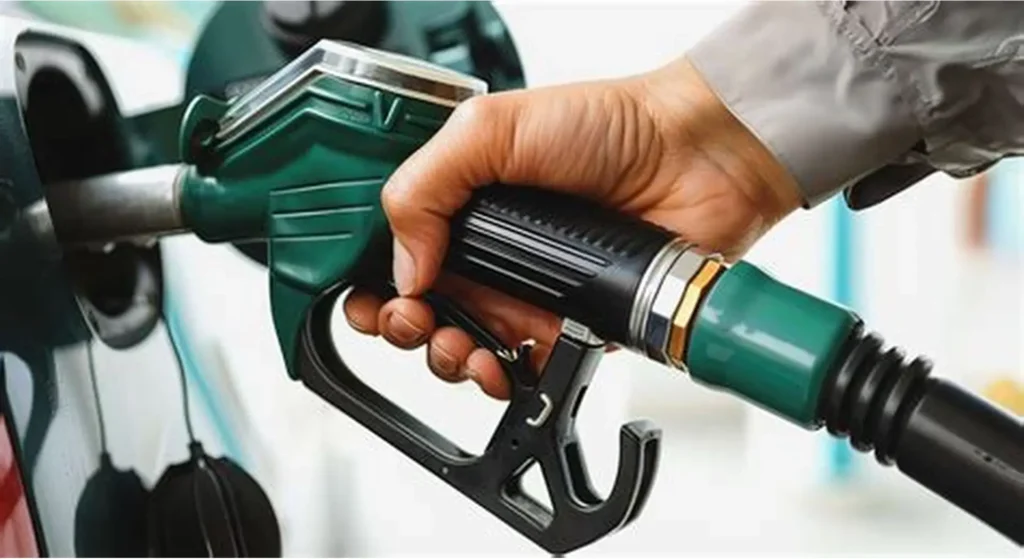
However, these developments have not translated into significant reductions at retail outlets, where petrol still sells between ₦1,200 and ₦1,400 per litre depending on location.
Nigerians Express Frustration
Across several states including Rivers, Kano, Borno, Taraba, Benue and Kwara, motorists, commercial drivers and business owners say they are struggling under the weight of persistently high fuel prices.
In Rivers State, many filling stations still dispense petrol at between ₦1,200 and ₦1,300 per litre, while transport operators insist they are willing to reduce transport fares once petrol becomes cheaper.
In Kano, commercial drivers say rising fuel costs continue to reduce their earnings as passengers resist any attempt to increase transport fares.
Residents also revealed they have significantly reduced the use of private vehicles and now depend more on public transportation.
The situation is even more severe in Maiduguri, where petrol sells for as much as ₦1,400 per litre, while diesel has climbed to about ₦2,200 per litre.
Many residents questioned why prices remain so high despite improvements in the international oil market.
Why Haven’t Petrol Prices Fallen?
According to the Major Energies Marketers Association of Nigeria (MEMAN), the relationship between crude oil prices and petrol prices is not immediate.
The association explained that petrol sold today may have been imported or refined using crude purchased weeks earlier at higher prices. This creates a time lag before consumers begin to see any significant reduction at the pump.
Industry experts also point to several other factors influencing petrol prices, including:
- Exchange rate fluctuations
- Transportation and logistics costs
- Refining expenses
- Existing inventory purchased at higher prices
- Market competition under Nigeria’s deregulated downstream sector
These factors mean that a drop in crude oil prices does not automatically result in an immediate reduction in pump prices.
NNPCL Explains Current Pricing
The Nigerian National Petroleum Company Limited (NNPCL) says petrol prices are influenced by much more than crude oil alone.
According to the company, acquisition costs, foreign exchange rates, transportation expenses, distribution costs and marketers’ existing inventories all contribute to determining the final pump price.
NNPCL also noted that Nigeria now operates a deregulated downstream petroleum market, meaning individual marketers are free to determine their retail prices based on their operational costs.
The Nigerian Midstream and Downstream Petroleum Regulatory Authority (NMDPRA) equally maintained that petrol prices are now determined by market forces rather than government regulation.
A Familiar Nigerian Experience
While industry experts argue that pricing adjustments require time, many Nigerians remain unconvinced.
The prevailing public perception is that fuel prices increase almost instantly whenever crude oil prices rise, but reductions are painfully slow whenever international prices decline.
This has reinforced a long-held belief among many citizens that in Nigeria, whatever goes up hardly ever comes down.
Until motorists begin to see noticeable reductions at filling stations, many Nigerians will continue to question whether the benefits of falling global crude oil prices will ever reach ordinary consumers.