

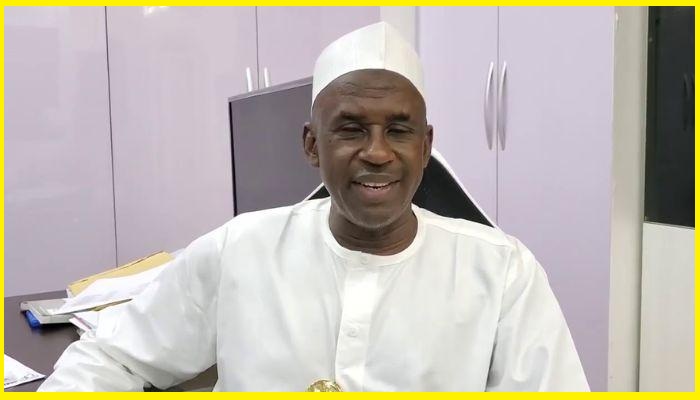
Prominent public affairs analyst and activist, Mahdi Shehu, has voiced strong concerns over the reported ₦34 billion spent on foreign trips under President Bola Ahmed Tinubu’s administration, describing the development as insensitive at a time when Nigerians are grappling with deep economic hardship.
Shehu, while reacting to the figures attributed to official travel expenses, lamented that the average Nigerian is already “sufficiently afflicted” by rising inflation, soaring food prices, unemployment, and declining purchasing power. According to him, government actions must reflect the realities faced daily by citizens struggling to survive.
He argued that although diplomatic engagements and international meetings are part of governance, the scale and cost of such trips demand serious scrutiny, especially in a country battling fiscal pressure and mounting public debt. Shehu questioned whether the outcomes of these foreign travels justify the enormous sums reportedly expended on flights, accommodation, logistics, and accompanying delegations.
The outspoken critic maintained that Nigerians expect leaders to demonstrate prudence, restraint, and empathy, particularly during periods of economic adjustment. He noted that the removal of fuel subsidy, exchange rate instability, and increasing cost of basic necessities have stretched households to their limits, making reports of lavish spending on foreign travel difficult for many to comprehend.
Shehu further stressed that governance is not only about policy decisions but also about symbolism and perception, warning that excessive spending by public officials sends the wrong message to citizens who are being urged to endure economic pain. He added that transparency in government spending is crucial to rebuilding public trust.
His remarks have since sparked conversations across political and civic spaces, with many Nigerians expressing mixed reactions. While some argue that foreign engagements are necessary to attract investment and strengthen diplomatic ties, others share Shehu’s view that such expenditures should be minimized or better justified in the current climate.
Analysts say the criticism reflects a broader national debate on cost of governance, accountability, and leadership priorities under the Tinubu administration. As economic reforms continue to generate both praise and backlash, public scrutiny of government spending appears set to intensify.
As the conversation unfolds, many Nigerians are calling for clearer explanations on how public funds are being utilized and how international engagements translate into tangible benefits for ordinary citizens.
