

The Federal Government has cancelled the remaining $717.7 million undisbursed World Bank financing for Nigeria’s power sector, effectively ending a major electricity reform programme earlier than scheduled due to persistent challenges in the industry.
The decision affects the Power Sector Recovery Performance-Based Operation, a programme originally valued at about $1.52 billion, designed to improve electricity supply reliability, strengthen financial stability, and enhance governance in Nigeria’s power sector.
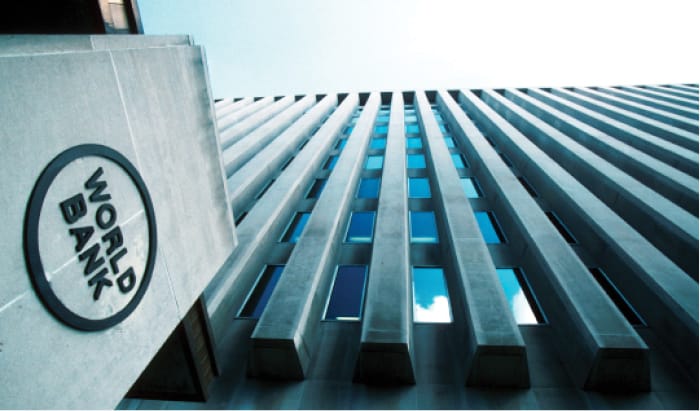
According to World Bank documents, the cancellation followed a joint agreement between the Federal Government and the World Bank, triggered by Nigeria’s inability to meet key reform milestones. The programme’s closing date was also revised from June 30, 2027, to May 31, 2026, marking an early exit from the intervention.
The World Bank explained that although initial phases of the programme recorded progress, the additional financing component struggled to achieve critical reform targets. Key challenges included persistent tariff shortfalls in the electricity sector, weak revenue collection and cost recovery issues, transmission bottlenecks, distribution inefficiencies, underutilisation of generation capacity, and rising financial pressure on the power sector. The Bank noted that Nigeria’s electricity industry continues to suffer from structural and financial instability despite years of reforms.
A major factor behind the setback was the sharp increase in electricity tariff shortfalls, which rose from N140bn in 2022 to about N1.9tn in 2024 and 2025. This was worsened by the liberalisation of the foreign exchange market, the sharp depreciation of the naira, rising gas prices used for power generation (largely denominated in dollars), and the freezing of electricity tariffs for most consumers. These combined pressures created a widening gap between the cost of electricity production and actual revenue collection.
While the original programme performed relatively well and achieved most of its disbursement-linked targets, the additional financing recorded very low implementation, with only about 9% of funds disbursed and over $717m remaining unused before cancellation. Overall implementation was rated “Moderately Unsatisfactory” by the World Bank.
The Federal Government had earlier raised concerns over delays in accessing World Bank funding, warning that prolonged approval processes could affect future loan arrangements. Despite the cancellation, Nigeria remains one of the largest borrowers from the World Bank’s International Development Association, with exposure estimated at about $18.5 billion as of March 2026.
The development highlights the deep structural challenges still confronting Nigeria’s electricity sector, particularly in areas of tariff regulation, revenue sustainability, infrastructure inefficiencies, and governance. Analysts say the outcome may force a rethink of ongoing reform strategies as the country continues to battle unstable power supply.