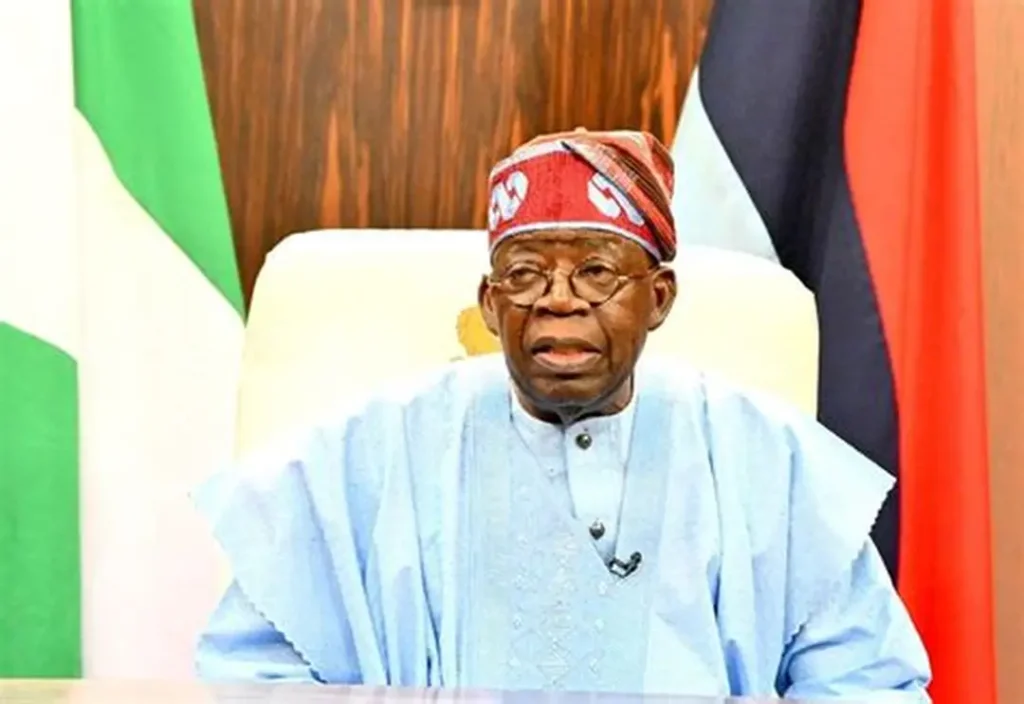

President Bola Ahmed Tinubu has said his administration has laid a foundation for Nigeria’s economic recovery, insisting that the difficult reforms introduced over the past three years were necessary to prevent the country from drifting into fiscal collapse.
Tinubu made the remarks on Thursday in a statement commemorating the third anniversary of his administration, shared via his official communication channel on X by presidential spokesperson Bayo Onanuga.
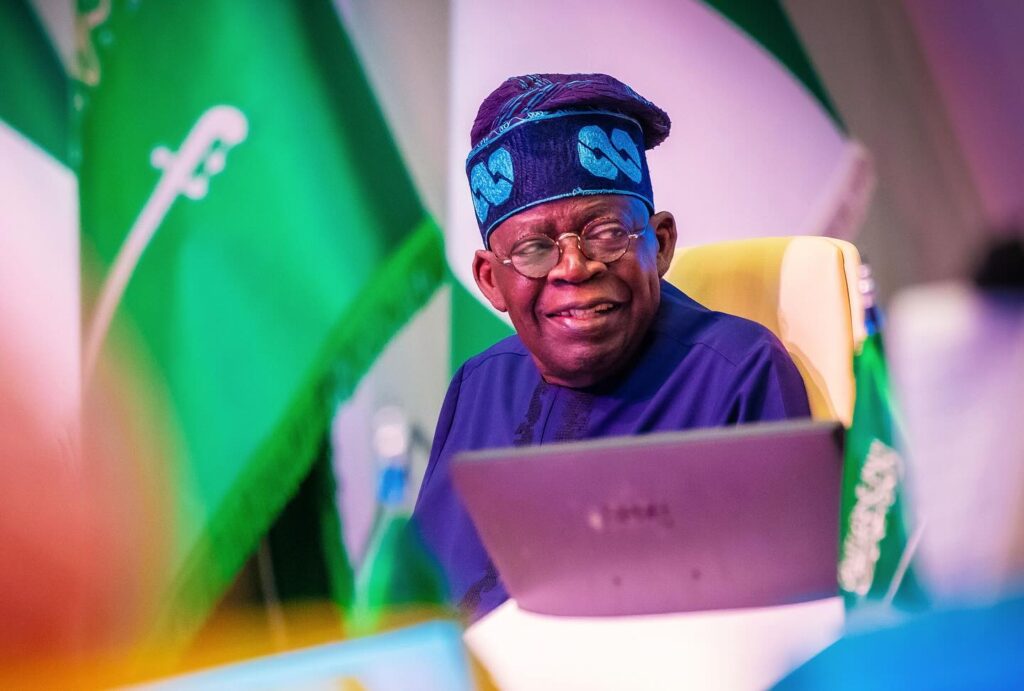
The President, who won the 2023 presidential election on the platform of the All Progressives Congress (APC), described his assumption of office as a moment of responsibility at a critical point in Nigeria’s economic history. He noted that despite the challenges, his administration chose to confront long-standing structural issues affecting the nation’s finances.
According to him, the government inherited significant fiscal pressures, including unsustainable fuel subsidies, exchange-rate distortions, rising debt-servicing obligations, insecurity challenges, energy constraints, and weakening public confidence in institutions.
He explained that at the peak of the subsidy regime, Nigeria was spending as much as ₦18.4 billion daily on petrol subsidies, amounting to over ₦4 trillion in 2022 alone. He also highlighted that multiple exchange-rate windows and currency arbitrage had cost the economy trillions of naira over time.
Tinubu said these realities forced his administration to take what he described as “difficult but necessary” decisions aimed at stabilising the economy and preventing a deeper crisis.
“We have not solved every problem, and we are not yet where we want to be. But the foundation for recovery has been laid. The task before us now is clear: we must ensure that the benefits of reform are felt more directly in the daily lives of ordinary Nigerians,” he said.
He acknowledged that the reforms have come with significant hardship, including rising living costs affecting households, workers, and businesses across the country. However, he maintained that the measures were essential for long-term economic stability.
Tinubu’s election in 2023 followed a closely contested race involving former Vice President Atiku Abubakar of the Peoples Democratic Party (PDP) and Peter Obi of the Labour Party. All three major contenders have since secured their party tickets ahead of the 2027 general elections, setting the stage for another competitive political season.
As Nigeria continues to navigate economic reforms and public expectations, the administration maintains that its policies are focused on long-term recovery, structural adjustment, and renewed economic growth.