

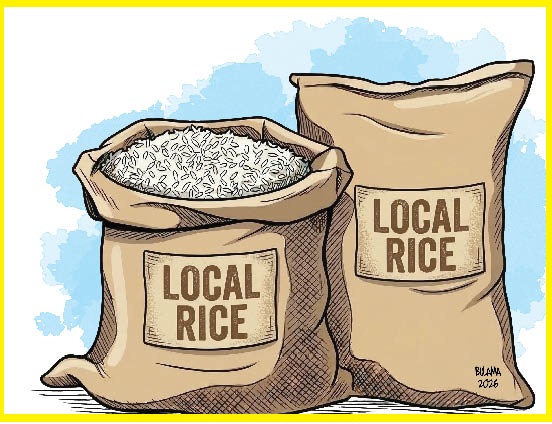
Nigeria’s local rice industry is facing a major setback as more than 90 rice mills across the country have reportedly shut down due to the surge in rice importation.
Industry stakeholders have raised concerns that the continuous inflow of foreign rice into the Nigerian market is crippling local production and threatening the survival of domestic millers who struggle to compete with imported products.
According to operators within the sector, many local mills have either scaled down operations or completely closed due to declining demand for locally processed rice. The situation, they say, has also led to job losses and financial strain for investors who had committed significant resources to the country’s rice value chain.
Some mill owners explained that while the government had previously introduced policies to encourage local rice production, the increasing availability of imported rice in markets has weakened those gains.
They warned that if urgent measures are not taken to regulate importation and strengthen support for local producers, more rice mills could shut down in the coming months.
Agricultural analysts also noted that the closure of mills could negatively affect farmers who depend on these facilities to process their harvests. Without functional mills, farmers may face difficulties selling their paddy rice, which could discourage future cultivation.
Stakeholders are now calling on the federal government to reinforce policies that protect local industries, improve access to funding, and ensure stricter monitoring of rice importation into the country.
They emphasized that protecting Nigeria’s rice industry is crucial not only for food security but also for employment generation and economic growth.
