
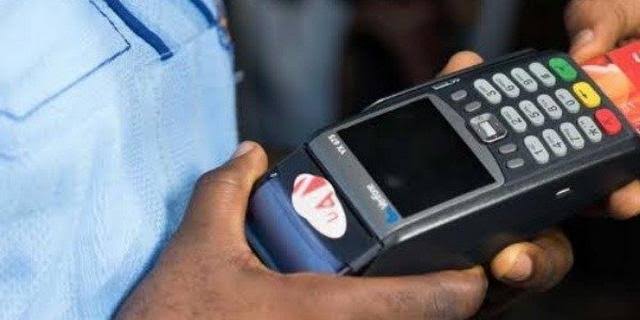

The Nigeria Police Force has directed all Point of Sale (POS) operators across the country to remain at least 200 metres away from police stations and other police formations nationwide.
The directive was reportedly contained in an internal police wireless message issued by the Inspector-General of Police and obtained by Sahara Reporters on Tuesday.
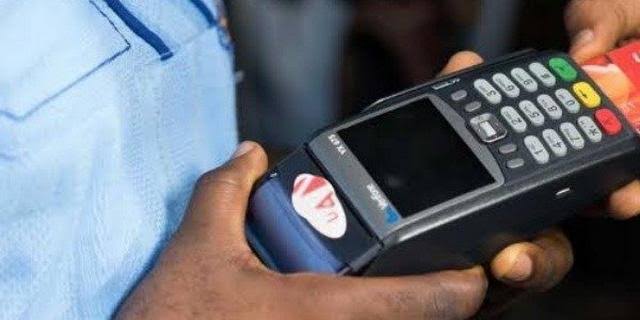
According to police authorities, the decision follows growing concerns and allegations linking some POS operators to corrupt practices and extortion involving certain police officers.
The internal signal expressed dissatisfaction over the increasing presence of POS agents around police facilities, stating that the development was undermining ongoing police reform efforts aimed at promoting transparency, accountability, and professionalism within the Force.
Part of the internal message reportedly read:
“INGENPOL has observed with utmost dismay the alarming rate at which Point of Sale (POS) operators are increasingly conducting transactions in/around the vicinity of police formations.”
The police hierarchy also noted that several allegations of complicity in extortion and corrupt practices had been associated with some of the operators.
As part of the directive, the Force ordered that no POS operator should operate within a 200-metre radius of any police formation across the country.
The signal further warned that Assistant Inspectors-General of Police, Commissioners of Police, and heads of police formations would be held responsible for any violation of the directive within their respective jurisdictions.
Command Commissioners of Police and heads of formations were equally instructed to ensure strict compliance and enforcement of the order.
The development is believed to be connected to longstanding public complaints accusing some police personnel of using nearby POS operators to facilitate extortion and collect bribes from civilians at checkpoints and police stations.
Over the years, several Nigerians have alleged that victims of police extortion were often compelled to make instant transfers or withdraw cash through POS agents stationed close to police facilities.
Human rights groups and anti-corruption advocates have repeatedly condemned the practice, warning that it encourages abuse of power and further damages public confidence in law enforcement institutions across the country.
Face to Face TV.