

The Federal Government has announced that construction of the Kaduna two-corridor light rail project will begin next month, signalling a major step toward modernising urban transportation in northern Nigeria.
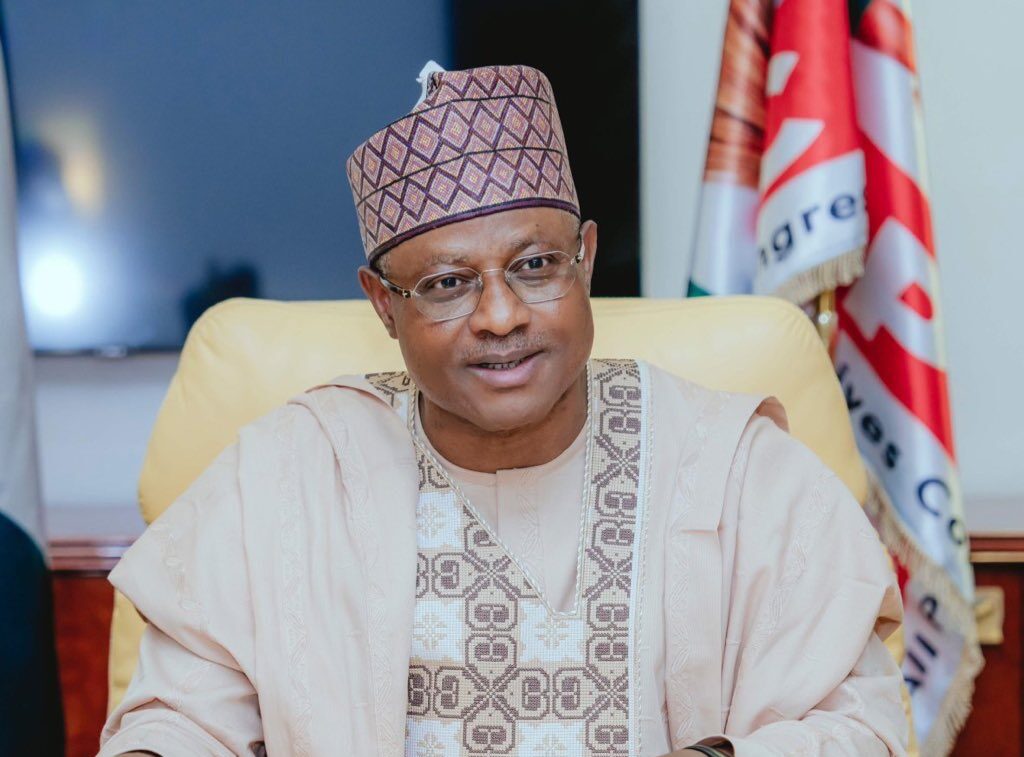
The update followed a meeting between officials of the Federal Ministry of Transportation and representatives of the Kaduna State Government, including Governor Uba Sani. According to a report by AIT News, preparations for full project mobilisation are at an advanced stage and contractors are expected to move to site within weeks.
A Major Urban Transit Project
The Kaduna light rail is one of three federally approved urban rail systems planned for Kaduna, Kano, and Lagos. After completing technical assessments and route evaluations, the project is now transitioning from planning to implementation.
Kaduna Light Rail at a glance
- Project: Kaduna Two-Corridor Light Rail
- Start of construction: Next month
- Corridors: Red Line and Yellow Line
- Purpose: Improve mass transit and urban mobility in Kaduna metropolis
- Funding framework: Public–private partnership through MOFI
An AIT News broadcast described the initiative as a response to the growing transportation demands of Kaduna’s expanding urban population.
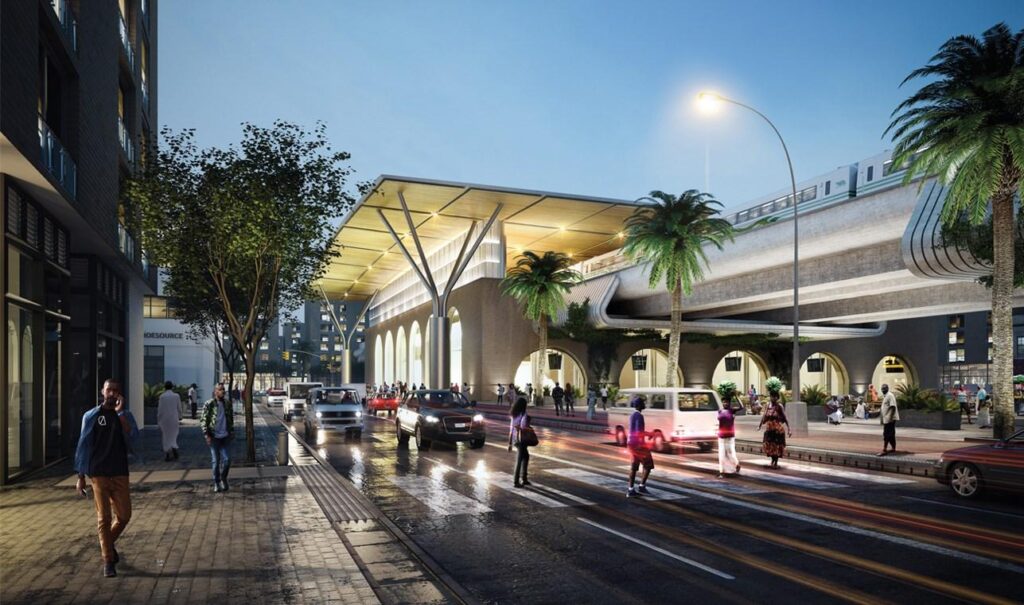
“The Kaduna Light Rail project, one of three approved for Kaduna, Kano, and Lagos, is designed to provide an efficient mass transit solution to the growing population of Kaduna metropolis.”
Governor Uba Sani: A Transformative Intervention
Governor Uba Sani welcomed the development, describing it as a transformative project that aligns with Kaduna State’s long-term vision for an integrated and efficient transport system.
“This project is a transformative intervention aligned with Kaduna State’s vision of developing an efficient and integrated transport system.”
The governor emphasized that the rail system would help address increasing urban mobility pressures while supporting economic growth and connectivity across the metropolis.
Technical Work Completed
The Permanent Secretary of the Federal Ministry of Transportation, Engr. Olufunsho Adebiyi, said technical assessments of the proposed routes had already been completed.
According to him, the ministry is now focused on resolving potential obstructions, refining alignments, and ensuring smooth execution once construction begins.
The Two Rail Corridors
The Kaduna light rail network will operate along two main corridors designed to connect residential, commercial, and transport hubs across the city.
| Corridor | Route |
|---|---|
| Red Line | Rigachikun → Sabon Tasha, passing through major commercial districts. |
| Yellow Line | Millennium City → Rigasa Railway Station, linking residential areas with a major transport hub. |
These corridors are expected to ease traffic congestion, reduce travel times, and improve access to key economic centers within Kaduna metropolis.
Part of a Larger National Rail Expansion
The Kaduna project is part of a broader federal initiative to expand urban rail infrastructure across Nigeria. The Federal Executive Council recently approved $2.99 billion for rail projects in Lagos, Kano, and Kaduna.
Finance Minister Taiwo Oyedele said the projects fit into the government’s 2025 and 2026 capital expenditure plans and will be executed through the Ministry of Finance Incorporated (MOFI) using a public–private partnership framework.
“Lagos, Kano, and Kaduna were prioritised due to their economic importance and potential to improve urban mobility and infrastructure delivery.”
Funding and Earlier Announcements
The federal government has been discussing support for Kaduna and Kano rail systems since 2025. Earlier statements indicated that about N250 billion had been secured for rail development in the two states, with Kaduna expected to receive roughly N100 billion.
The projects are being structured under a public–private partnership model aimed at attracting long-term investment into transport infrastructure.
Why the Project Matters
Kaduna is one of Nigeria’s fastest-growing urban centers, and road congestion has become a major challenge for commuters and businesses. The light rail system is expected to:
- Improve public transportation efficiency
- Reduce traffic congestion
- Connect residential and commercial districts more effectively
- Support economic activity and urban development
- Provide a more sustainable mass transit option
If implemented successfully, the Kaduna light rail could become a model for urban transit development in other Nigerian cities facing rapid population growth and mobility challenges.



This is a welcome development but I hope things like this will come to east
Yes