


Recently, Nigeria has witnessed a series of tariff hikes across critical sectors, including electricity, fuel, telecommunications, and port operations. These increases have significantly affected the cost of living, business operations, and the overall economy. Below is an overview of these tariff hikes and their economic impacts.
- Electricity Tariff Hike
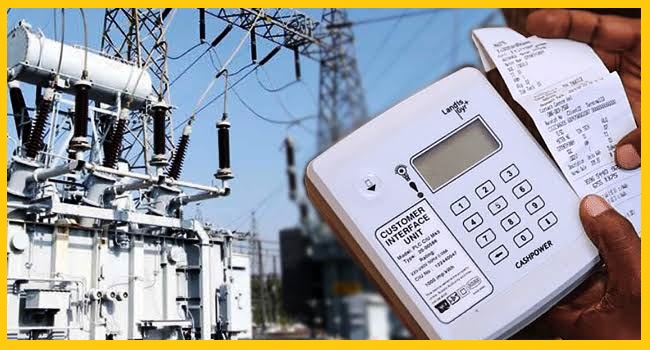
The Nigerian Electricity Regulatory Commission (NERC) has implemented multiple tariff increases, citing the need for cost-reflective pricing and the removal of subsidies. The latest hike saw an over 200% increase in electricity bills for certain consumers under the “Band A” category, who now pay N225/kWh from N66/kWh.
Economic Effects:
Higher Cost of Living: Many households struggle with increased power bills, forcing them to either cut down on electricity consumption or turn to expensive alternative sources like generators.
Increased Production Costs: Businesses, especially in manufacturing, face higher operational expenses, leading to rising prices of goods and services.
Inflationary Pressure: Higher energy costs contribute to inflation as producers transfer the additional costs to consumers.
- Fuel Price Hike

The removal of fuel subsidies in May 2023 led to a sharp increase in petrol prices from N197/liter to over N600/liter, with fluctuations depending on global oil prices and forex rates.
Economic Effects:
Transportation Costs Surge: Public transportation fares have skyrocketed, making daily commuting more expensive for workers and students.
Business Closures: Small businesses, particularly those dependent on fuel for power generation, struggle to remain profitable.
Food Price Inflation: Higher transport costs have led to increased prices of food and other essential commodities, worsening food insecurity.
- Nigerian Ports Authority (NPA) Tariff Increase
The NPA recently increased various port charges, including cargo handling, storage fees, and shipping dues, citing the need for operational efficiency and improved infrastructure.
Economic Effects:
Higher Import Costs: Importers face increased costs, which are transferred to consumers through higher prices for imported goods.
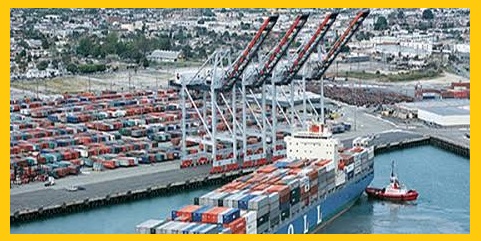
Decline in Trade Competitiveness: Nigerian ports are becoming less attractive compared to neighboring countries, pushing some businesses to route goods through ports in Ghana, Benin Republic, or Togo.
Supply Chain Disruptions: Rising port costs contribute to delays and inefficiencies in logistics, affecting industries reliant on imported raw materials.
- Telecom Tariff Hike
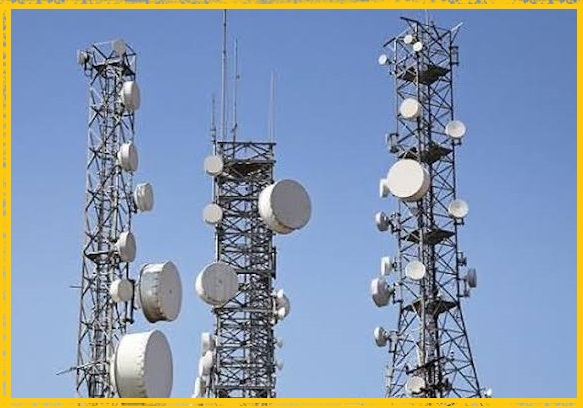
Telecommunications companies in Nigeria, including MTN, Airtel, and Glo, have sought tariff increases due to rising operational costs, driven by forex depreciation and higher diesel prices for powering base stations.
Economic Effects:
Higher Call and Data Costs: Many Nigerians, especially small businesses, struggle with increased costs of mobile and internet services, impacting communication and digital businesses.
Reduced Digital Inclusion: Increased telecom costs may widen the digital divide, making internet access less affordable for lower-income individuals.
Impact on Remote Work & E-commerce: Businesses reliant on internet connectivity face higher costs, affecting remote work productivity and online transactions.
Overall Economic Impact of Tariff Hikes
The cumulative effect of these tariff increases has exacerbated Nigeria’s economic challenges, leading to:
Rising Inflation: With food, transportation, and utility costs increasing, inflation remains persistently high, eroding purchasing power.
Lower Disposable Income: Many households now allocate a significant portion of their income to essential expenses, reducing spending on non-essentials and leisure activities.
Economic Slowdown: Higher business costs lead to reduced investments, layoffs, and a decline in consumer spending, slowing down economic growth.
Social Unrest: The growing financial strain on Nigerians has led to protests and strikes by labor unions demanding wage adjustments and policy reviews.
While these tariff hikes are often justified by the government as necessary for economic reforms and efficiency, their impact on the average Nigerian is severe. Without adequate social support systems, wage increases, and improved infrastructure, these cost increases could further deepen economic hardship and slow down growth. A balanced approach that considers both economic sustainability and the welfare of citizens is crucial in addressing these challenges.
#Tariff Hikes#Nigeria Economy#Economic Impact#Trade Policies#Inflation#Cost of Living#Government Polic#Economic Growt#Consumer Price#Imports and Exports#Public Opinion#Nigerian Market#Global Trade#Fiscal Policy#Industrial Growth#Economic Challenges#Price Increase#Economic Reform#Business Environment#Economic Inequality